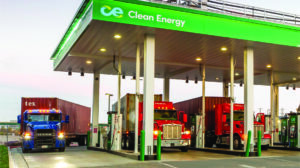
Natural Gas Can Help Reduce GHG Emissions It also has advantages when it comes to reducing local health effects caused […]

Executive Director Mike Roeth’s Fleet Owner IdeaXchange blog can be found here.
Natural Gas Can Help Reduce GHG Emissions It also has advantages when it comes to reducing local health effects caused […]
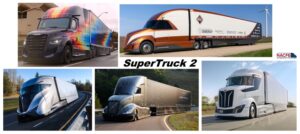
SuperTruck – A Testing Ground for Technology These technologies can be integrated into production trucks, no matter the drivetrain or […]
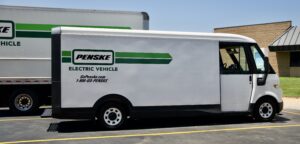
Be Open Minded and Realistic About BEVs BEVs are not the holy grail, but in the right duty cycle, they […]
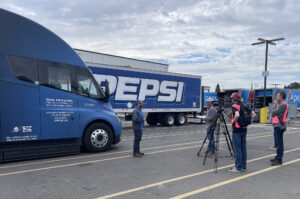
NACFE Videos Worth Revisiting – You can learn a lot from NACFE videos and enjoy listening to our storytelling. Read […]

It’s Been Quite A Busy Year for NACFE! We’ve accomplished a lot, and we’re looking forward to more projects in […]
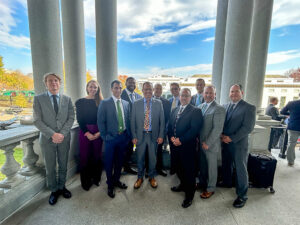
Roeth Organizes White House Event: Fleets discussed experiences with operating electric trucks. Read more here. Click here to receive NACFE’s […]
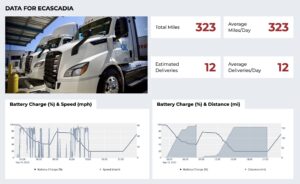
Twenty-two trucks, including three Tesla Semis, demonstrate the viability of battery electric vehicles in a variety of trucking applications. Fort […]
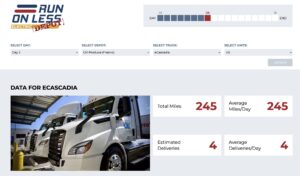
Check Your Opinions Against the Facts Before Deciding: Don’t base your opinions on outdated data. Read the newsletter here. […]
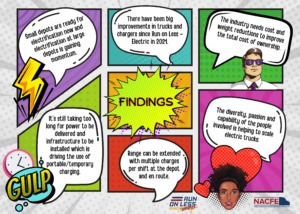
With one-third of the data collected from the Run, NACFE releases some early lessons learned. New York, New York — […]

Run on Less – Electric DEPOT Kickoff is Days Away – Data will start streaming on September 11. Read […]
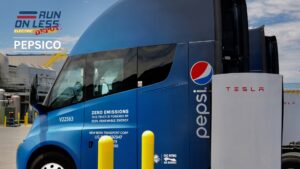
Tesla Semi among 21 electric vehicles being tracked as part of NACFE’s research on scaling electric trucks at fleet […]
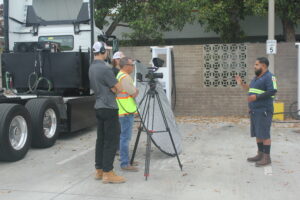
NACFE Talks A Lot. But Recently, We Listened. Roeth Appointed to Electric Vehicle Working Group Read more here. […]
Depot Bootcamp Training Exceeding Expectations There’s still time to register for remaining sessions and view those you’ve missed. Read more […]
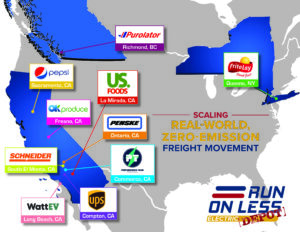
Fort Wayne, Indiana — July 11, 2023 — Two more fleets have joined the eight fleets already signed up […]

NACFE Issues New Charging Infrastructure Guidance Report Accelerated movement toward EVs lead to new report. Read more here. Click here […]

Here We Go – DEPOT Event Locks in 8 Fleets. Tesla Semi among vehicles to be tested during Run. Read […]
Long Beach, California — April 26, 2023 — This fall, 8 fleet depots will take part in the North […]

Fleets and Utilities = Chocolate and Peanut Butter. It’s not too early to start the conversation about electric trucks. Read […]
Fort Wayne, Indiana — April 4, 2023 — The North American Council for Freight Efficiency (NACFE) and RMI have […]

NACFE’s Messy Middle Report Call To Action: Now is the time to act on sustainability. The report found that waiting […]
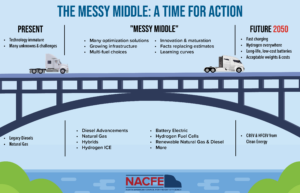
Orlando, Florida — February 26, 2023 — The North American Council for Freight Efficiency (NACFE) has released a new thought […]
Get Registered for Electric Depot Bootcamp! 10 educational sessions will be offered, covering several topics related to scaling electric trucks […]

NACFE Invites You Be Part of Run on Less – Electric DEPOT: Join the Run as a Sponsor or Participant […]

Fort Wayne, Indiana — January 11, 2023 — The North American Council for Freight Efficiency (NACFE) and RMI are pleased […]

Fort Wayne, Indiana — December 13, 2022 — After seven consecutive year-over-year increases averaging 2%, fleet-wide average fuel economy from […]
NACFE Updates Website Ahead of New Report Release It’s now easier to find our Confidence Reports. Read more here. […]
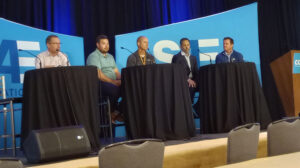
NACFE Broadens Industry Engagement in 2022: More than 60% of events where NACFE spoke were in person. Read more here. […]
We’re working on the next Run on Less – learn what next year’s focus will be. Read more here. […]
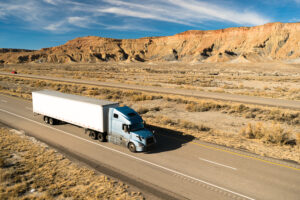
Keeping Up with Autonomous Trucking – A lot is happening with autonomous trucks. Read more here. […]

The Messy Middle is no reason for inaction. It’s time to step out of your comfort zone and move into […]
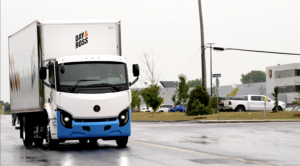
NACFE Wraps Up Run on Less – Electric Reports The fourth and final market segment report – Medium-Duty Box Trucks […]
Fort Wayne, Indiana — June 28, 2022 The North American Council for Freight Efficiency (NACFE) today released the fourth and […]
Drivers A Key Factor in Fuel Economy With high fuel prices, the role of the driver becomes more important than […]
Two reports help clarify the electrifiability of Class 8 tractors. Many regional haul applications are well suited to switch […]
New analysis from RMI shows that 65% of medium-duty and 49% of heavy-duty trucks are electrifiable today. Boulder, CO and […]
Fort Wayne, Indiana — May 5, 2022 — The North American Council for Freight Efficiency (NACFE) today released the third […]
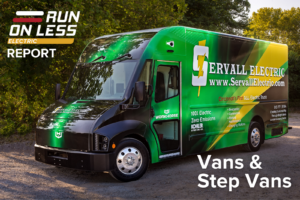
NACFE Releases Vans & Step Vans Report Run on Less – Electric data shows this market segment is 100% electrifiable. […]
More than Half of American Commercial Vehicles Are Electrifiable Today Electrifying vans and step vans in Canada and the US […]
Future of Truck Debate Creates Spirited Discussion For the foreseeable future we will be seeing multiple fuel sources powering commercial […]
Orlando, Florida — March 6, 2022 — The North American Council for Freight Efficiency (NACFE) today released the first […]
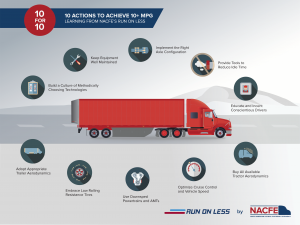
Achieving Higher MPG is Still Important With diesel prices increasing, you must continue to push for higher MPG Read more […]
The State of NACFE Executive Director Mike Roeth outlines NACFE’s plans for 2022 Read more here. […]
NACFE Releases Report: Electric Trucks Have Arrived: Documenting a Real-World Electric Trucking Demonstration Fort Wayne, Indiana — January 11, 2022 […]
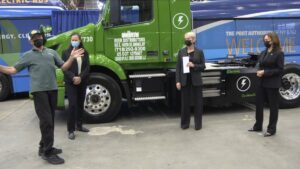
Run on Less – Electric Driver Meets With Vice President and Energy Secretary Vice President Harris and Energy Secretary Jennifer […]
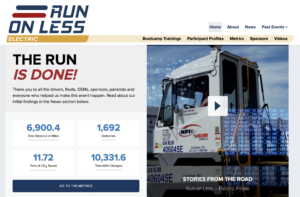
Run on Less – Electric Reports will Debut in 2022 Data collected from Run on Less – Electric will be […]
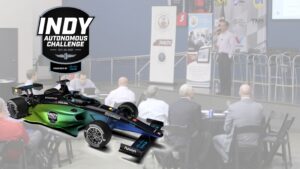
NACFE to Host Autonomous Trucking Workshop in conjunction with the Indy Autonomous Challenge at the Indianapolis Motor Speedway. Read […]
Real-World Study Shows That Certain Trucking Segments Are Ready to Go Electric and Save 100 Million Metric Tons of CO2 […]

Run On Less – Electric is close to the finish line. Join us at the Finale Event on Wednesday, September […]
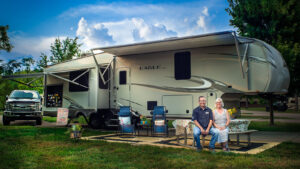
When our Executive Director Mike Roeth sold his house so he could live in his solar-powered camper, the decision […]
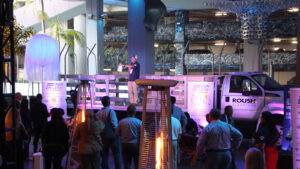
NACFE held an Appreciation Reception Tuesday night at the The Cove at Long Beach Convention Center to thank the […]
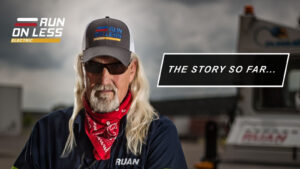
Run on Less – Electric is ON! – https://mailchi.mp/nacf…/run-on-less-goes-electric-2401084 The 13 electric vehicles are all charged up and beginning their […]
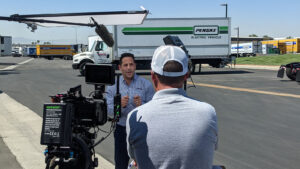
Long Beach, CA – September 1, 2021 — More than a dozen different electric trucks from companies such as Frito-Lay, […]
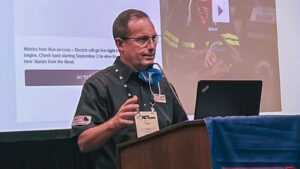
NACFE hosted an interactive workshop yesterday during ACT Expo in Long Beach, CA to identify key challenges and opportunities related […]
The North American Council for Freight Efficiency (NACFE) is excited to share more details about the 13 Run on Less […]
NACFE is broadening its reach to truly be the North American Council for Freight Efficiency by expanding our efforts into […]
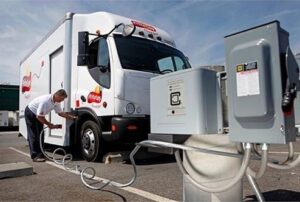
‘Bring it on!’ Say Fleets Running EVs Today Site interviews with Run on Less – Electric participants reveal fleets don’t […]
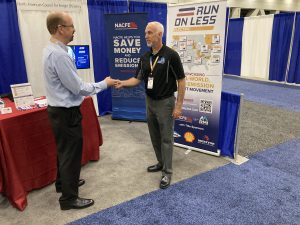
NACFE is All In for Fall Trucking Shows. Learn which industry events NACFE will attend, plus Electric Truck Bootcamp […]
Fuel Efficiency Matters Regardless of Fuel Price Visit NACFE’s Current Technology pages to find new insights into fuel efficiency. Learn […]

NACFE Joins DOE Secretary Granholm for ‘Fireside Chat’ Executive Director Mike Roeth was honored to be part of the SuperTruck […]
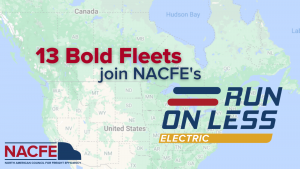
Run on Less – Electric Participants Announced A diverse mix of early-adopting fleets will be joining NACFE on the Run. […]
Download Mike Roeth’s Buckendale Lecture free, plus read more about Run on Less – Electric here. […]
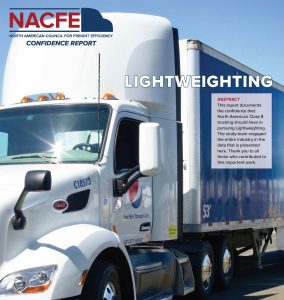
In this month’s newsletter, read about the updated Confidence Report on Lightweighting, plus learn more about the Run On Less […]
NACFE recently released NACFE’s 2020 Collected Works, a compendium of bylined blogs and think pieces. Read about this and much […]

Run on Less Goes Electric in 2021 We kicked off the New Year with a big announcement. Some might say […]
The trucking industry is beginning its move to an electric future. In order to leverage data from real-world experiences, the […]
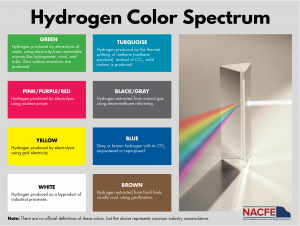
What do dominoes, a color spectrum and a village have to do with Hydrogen Fuel Cell Electric Heavy-Duty Tractors? Our […]
The 6th guidance report in NACFE’s series on truck electrification was released today. Press Release is here: https://nacfe.org/wp-content/uploads/2020/12/Hydrogen-Press-Release.html Full Report […]
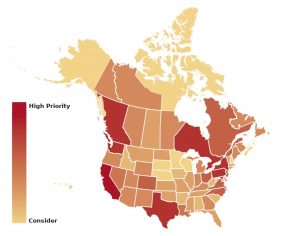
NACFE and RMI have released an update to their High-Potential Regions For Electric Truck Deployments report. The revised version of […]
NACFE Explores Next Run on Less Topic Run on Less – Electric: What are your thoughts? High-Potential Regions for […]
Mike Roeth delivers the prestigious Buckendale Lecture at SAE COMVEC. Check out this and other NACFE news here. […]
Fort Wayne, IN — October 15, 2020 — As part of its ongoing work to update all of its existing Confidence Reports, […]
This month’s news covers the newly updated aerodynamics reports for both tractors and trailers, as well as a new workbook […]
This month’s NACFE newsletter talks about our new Guidance Report on High Potential Regions for Electric Truck Deployments, two new […]
NACFE has launched its podcast, “Freight Efficiency with Mike Roeth & Friends.” Join NACFE for an ACT News-NACFE Webinar entitled […]
Get all the details on the recently released Run on Less Regional Report. Plus learn more about Rocky Mountain Institute’s […]
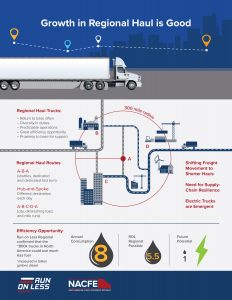
Read the news release here. Run On Less Regional Report Page Fort Wayne, IN — June 16, 2020 — […]
The 2017 truck drivers won the right to say they were part of the first “fleet” to achieve an average […]
The North American Council for Freight Efficiency (NACFE) has just completed a revision of its Tire Pressure Systems Confidence Report. […]
NACFE shares the results of the MathWorks Math Modeling Challenge and its examination of electric trucks and infrastructure. Read more […]
Things sure have been turned on end in the past month as many of us are hunkered down at home […]
Due to the impact of COVID-19, many industry events where NACFE personnel were scheduled to speak have been canceled or […]
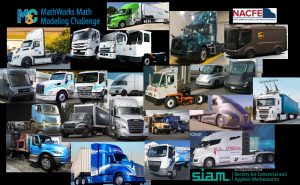
NACFE has been investigating electrification developments in trucking. We were honored to have been involved in this recent high school […]
NACFE thinks regional haul is a natural fit for electric vehicles, but know there is more work to be done. […]
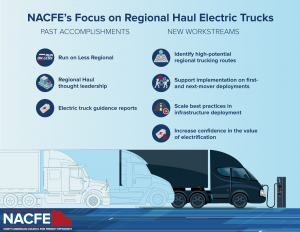
NACFE is excited to be at TMC in Atlanta announcing new partners in our industry guidance efforts. Leveraging the work […]
NACFE is kicking off the 2020 series of workshops on Wednesday, March 4th in Indianapolis at the Work Truck Show. […]
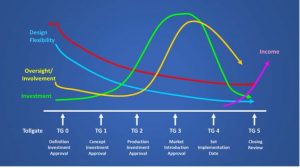
Welcome to a new decade and a lot of news from NACFE; We have a new report on the definitions […]
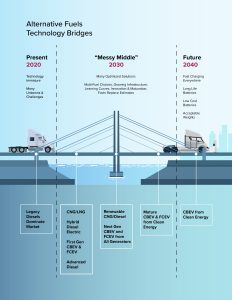
Update from NACFE executive director, highlights of Guidance Report on Viable Class 7/8 Electric, Hybrid and Alternative Fuel Tractors, an update on work in process and speaking scheduled included in newsletter. […]

Results from Run on Less Regional, a recap of NACFE’s 10-year history and an update on reports in the works are among the items in this issue’s newsletter. […]
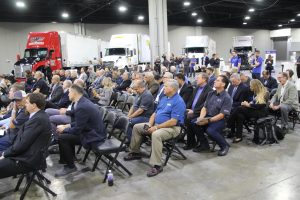
The trucks and drivers in Run on Less Regional, a freight efficiency demonstration conducted by the North American Council for […]

Run on Less Regional update, a word from NACFE board chairman, top 10 ways to improve fuel and more are featured in the October NACFE newsletter. […]
This special edition newsletter is devoted to Run on Less Regional. […]
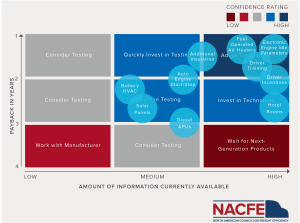
The August 2019 newsletter cover finding from idle-reduction and intentional pairing reports as well as an update on reports that are current in the works. […]
“Idle reduction is an investment not in fuel reduction but in driver retention and driver satisfaction..” — Darry Stuart, President […]

This issue gives an update on Run on Less Regional and features a list of the top 10 countries downloading NACFE reports, a word from Scott Perry, a report update and a list of events NACFE personnel will be at this summer and early fall. […]
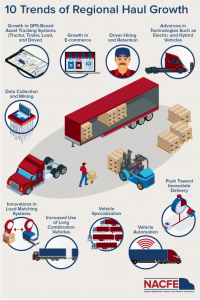
This issue of the newsletter talks about the the fleets in Run on Less Regional, 10 people who have been instrumental in NACFE’s growth, provides an update on Confidence and Guidance Reports and lists places the NACFE team will be this summer. […]
The North American Council for Freight Efficiency is pleased to announce the 10 fleets that will be participating in Run on […]

The May 2019 edition of the NACFE newsletter includes an update on Run on Less Regional, comments from a former NACFE board chair and a list of the top 10 places NACFE has held workshops. […]

The Colorado Cleantech Industries Association (CCIA) and the North American Council for Freight Efficiency (NACFE) are now accepting applications for […]
The April 2019 edition of the NACFE newsletter includes information on Run on Less Regional and our latest report More Regional Haul: An Opportunity for Trucking? It also offers a list of the Top 10 ways we we can help. […]
The North American Council for Freight Efficiency (NACFE) released its latest report, More Regional Haul: An Opportunity for Trucking? […]
Newsletter features Run on Less Update, top 10 report list and a message from NACFE’s first board chairman. […]

The North American Council for Freight Efficiency is now accepting applications for fleets to participate in Run on Less Regional, a fuel efficiency road show focusing on trucks that operate 300 miles from base. […]
The North American Council for Freight Efficiency (NACFE) released its third Guidance Report: Amping Up: Charging Infrastructure For Electric Trucks, an unbiased report detailing the multiple factors to consider in infrastructure planning for charging commercial battery electric vehicles. The report found that although there is no one-size-fits-all solution to charging, there are common steps and considerations that any fleet looking at deploying electric vehicles needs to undertake to ensure they have a cost-effective charging strategy in place. […]
NACFE’s February newsletter covers the group’s 10 year anniversary and its being named a Green Biz Organization To Watch as well as a list of the best places to find NACFE staff this year. […]
The North American Council for Freight Efficiency (NACFE) is celebrating its 10th anniversary of providing unbiased information to help the nation’s trucking fleet double its freight efficiency. The inaugural meeting of NACFE was hosted by Rocky Mountain Institute (RMI) in Chicago on November 3, 2009. About 75 attendees representing a wide variety of industry, government and nongovernmental organizations determined that an unbiased, comprehensive council would help the trucking industry navigate the large number of energy efficiency technologies and practices in the market.
[…]
What is in store for NACFE in 2019? Numerous events including a pair of workshops on either side of the Green Truck Summit! And how about a second Run On Less demonstration event? This time the proposal is for Regional Haul Day Cabs. […]

What is in store for NACFE in 2019? How about a second Run On Less demonstration event? Learn more in our monthly newsletter. […]
Mike Roeth, NACFE executive director, gives thanks to all the people who have supported the organization’s work and also talks about regional haul operations. […]
The October newsletter includes NACFE Executive Director Mike Roeth’s reminder about the Guidance Report on medium-duty electric vehicles and an announcement about the kick off of a revised report on idle reduction solutions. […]

The North American Council for Freight Efficiency (NACFE) released its second guidance report on electric trucks, Guidance Report: Medium-Duty Electric Trucks: Cost of Ownership, an unbiased report detailing the multiple factors to consider in selecting medium-duty commercial battery electric vehicles (CBEVs), with attention to considering all of the cost/benefit factors in estimating return on investment. […]

Mike Roeth, NACFE executive director suggests that we need to continue to focus on making diesel trucks more efficient while making room for battery electric trucks. […]

After a flat year from 2015 to 2016, the 20 fleets in the 2018 Annual Fleet Fuel Study returned to the eight-year average gain in fuel efficiency. […]

The August newsletter includes Executive Director Mike Roeth’s comments on decision bias as well as highlights from the Confidence Report on Automated Transmissions, a sneak peek at the Annual Fleet Fuel Study, an update on the Guidance Report on medium-duty battery electric vehicles, and an update on where you can find NACFE staff this summer and fall. […]
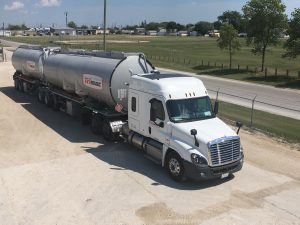
The sun is shining on solar panels as well as our travels. We look forward to meeting with you soon as we will be all over the transportation industry in the next few months (or you can join us from right where you are at via a webinar)! […]
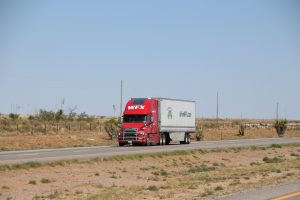
Solar panel use is growing in truck transportation […]
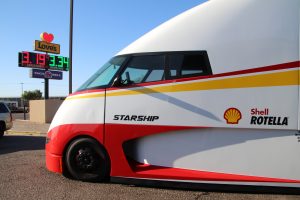
We have been putting on a lot of highway miles, in more ways than one! […]
On Tuesday night, the North American Council for Freight Efficiency (NACFE) published a report looking at what point commercial electric vehicles reach parity with diesel-powered vehicles in terms of attributes like cost, weight and maintenance needs. The group, which worked with Rocky Mountain Institute on the research, looked at class 3 to class 8 commercial vehicles, which represent various sizes ranging from a walk-in delivery van to a school bus to a sleeper cab truck. […]
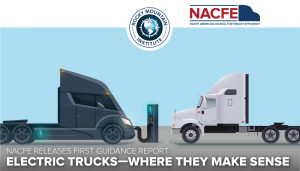
No subject is more fraught with confusion than commercial battery electric vehicles—which is why NACFE chose this topic for its first Guidance Report. […]
The April newsletter contains commentary from NACFE executive director update on electric vehicle Guidance Report; calendar of events; synopsis of Confidence Report on downspeeding; and NACFE’s partnership with Shell Starship. […]

This month’s newsletter contains info on NACFE’s rebranding and expanding, and update on our Tire Pressure Systems Confidence Report, some information on the upcoming Guidance Report on Electric Vehicles, and more! […]
The North American Council for Freight Efficiency (NACFE) today announced an expanded organizational strategy, including an updated brand identity and website. I […]
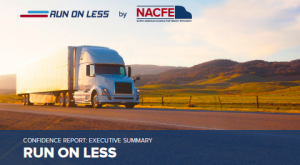
NACFE releases report on Run on Less […]
We’re very excited with all of our efforts as we drive into 2018. NACFE’s expanded strategy is summed up in three workstreams; Scaling available technologies, Promoting emerging ones and Guiding future, revolutionary change. […]
This month’s newsletter recaps our accomplishments from 2017, and looks ahead to what we have in store for 2018. […]
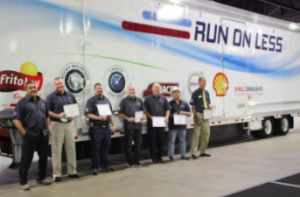
Shell, PepsiCo, the North American Council for Freight Efficiency (NACFE), and Carbon War Room (CWR) today announced Run on Less, a first-of-its-kind cross-country roadshow to showcase advancements in fuel efficiency. The event will take place in September 2017. […]